
Dental Services Explained: From Preventive Care to Advanced Treatments
Understanding Preventive Dental Care
Preventive dental care forms the cornerstone of maintaining oral health and forestalling complex dental issues. It encompasses regular dental check-ups, professional cleanings, and patient education focused on proper oral hygiene techniques. Dentists emphasize the importance of brushing with fluoride toothpaste, flossing to remove interdental plaque, and using mouth rinses to reduce bacterial accumulation. These practices, though seemingly simple, significantly decrease the likelihood of developing cavities, gum disease, and other oral infections. Preventive care also involves early detection of anomalies such as enamel erosion, tooth misalignment, and early-stage cavities. Routine dental visits allow professionals to monitor changes over time and implement timely interventions, ensuring that minor issues do not evolve into major complications. Additionally, preventive dentistry emphasizes lifestyle factors, including dietary choices and habits such as tobacco and alcohol use, which directly influence oral health. Education about these preventive measures empowers patients to take an active role in their dental well-being, making preventive care not only a clinical practice but also a collaborative effort between dentist and patient.
Routine Dental Examinations and Diagnostics
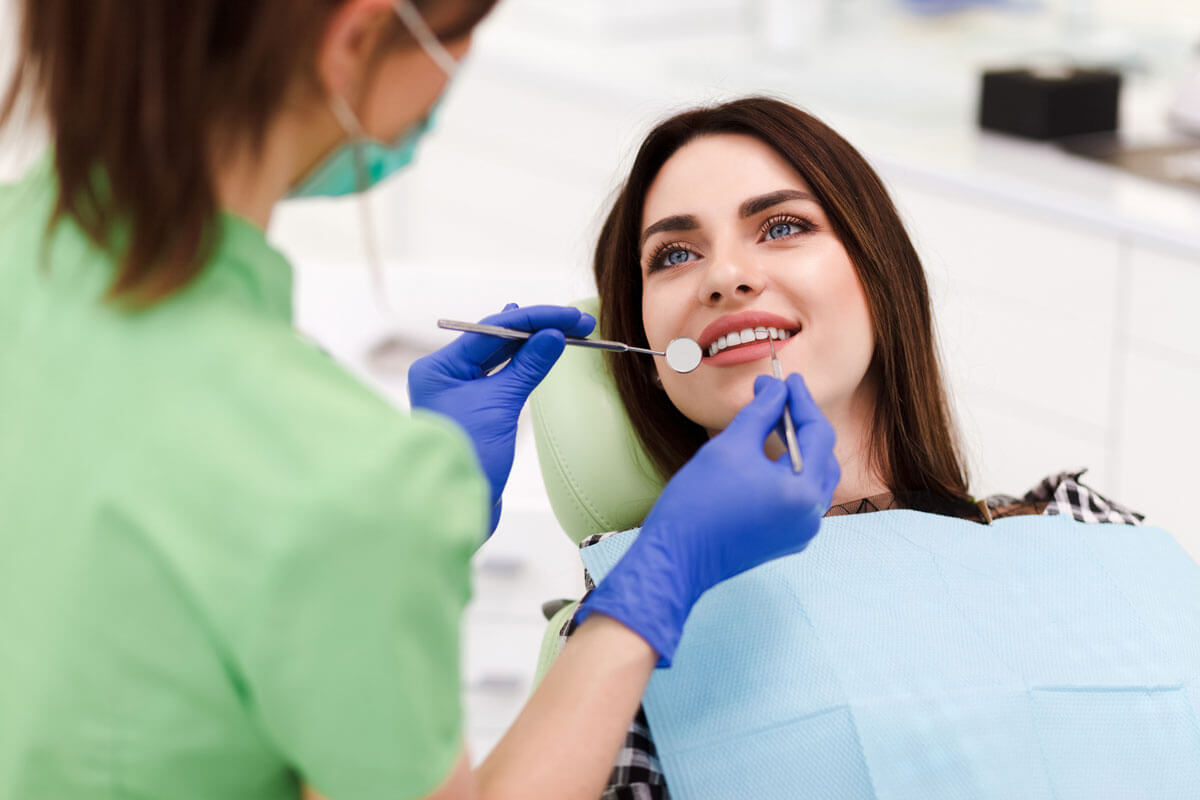
Regular dental examinations and diagnostics are fundamental in identifying oral health problems that may not be visible or symptomatic to the patient. Dentists utilize a variety of diagnostic tools including digital X-rays, intraoral cameras, and periodontal probes to gain a comprehensive understanding of dental and gum health. These tools allow for the identification of cavities, bone loss, impacted teeth, and other abnormalities with precision. Examinations typically include visual inspections, assessments of bite and alignment, and evaluations of soft tissues such as the tongue, cheeks, and gums. Early detection of issues through diagnostic processes is crucial as it prevents the escalation of minor problems into painful or costly conditions. Diagnostic assessments also inform personalized treatment plans, ensuring that interventions are tailored to the unique needs of each patient. Beyond disease detection, these assessments provide an opportunity for dentists to educate patients on oral hygiene techniques, habits to avoid, and preventative strategies to maintain long-term dental health. Ultimately, routine examinations form a proactive approach to dentistry, emphasizing foresight and early intervention rather than reactive treatment.
Restorative Dental Treatments
Restorative dental treatments focus on repairing or replacing teeth that have been damaged due to decay, trauma, or structural weaknesses. Common restorative procedures include fillings, crowns, bridges, and dentures, each designed to restore function and aesthetics. Fillings are typically employed to repair minor cavities and prevent further decay, whereas crowns cover and protect compromised teeth, reinforcing structural integrity. Bridges and dentures provide solutions for missing teeth, restoring both chewing functionality and the natural appearance of the smile. Modern materials used in restorative dentistry, such as composite resins and ceramic alloys, offer durability and a natural look, making restorations virtually indistinguishable from natural teeth. Restorative procedures not only address the functional aspects of teeth but also prevent additional oral health complications. For example, replacing a missing tooth helps maintain proper alignment and prevents shifting of adjacent teeth. The process of restorative dentistry requires precise planning and execution to ensure optimal outcomes, combining clinical expertise with aesthetic considerations to achieve long-term oral health stability.
Cosmetic Dentistry and Aesthetic Enhancements
Cosmetic dentistry is increasingly sought by patients seeking to improve the appearance of their teeth and overall smile. While traditionally focused on aesthetics, many cosmetic procedures also contribute to functional dental health. Common treatments include teeth whitening, veneers, bonding, and orthodontic interventions designed to align teeth. Teeth whitening removes stains caused by dietary habits or aging, offering a brighter and more youthful appearance. Veneers, thin shells bonded to the front surfaces of teeth, correct discoloration, shape irregularities, and minor misalignments, creating a uniform smile. Dental bonding uses composite materials to repair chips, cracks, or gaps, restoring the integrity and appearance of teeth. Orthodontic treatments, including clear aligners and braces, realign teeth to correct bite issues and improve aesthetics. Beyond enhancing appearance, cosmetic dentistry can improve oral function, facilitating better chewing and speech. Patients increasingly seek a combination of functional and aesthetic outcomes, reflecting a holistic approach to dental care that addresses both appearance and health simultaneously.
Advanced Dental Treatments and Specialized Care
Advanced dental treatments cater to complex conditions that extend beyond routine care, requiring specialized knowledge, technology, and precision. Procedures in this category include dental implants, root canal therapy, periodontal surgeries, and oral surgery. Dental implants offer a permanent solution for missing teeth, integrating with the jawbone to provide stability and long-term durability. Root canal therapy addresses infections within the tooth pulp, preserving the natural tooth while eliminating pain and infection. Periodontal surgeries target advanced gum disease, restoring tissue and bone structure that supports the teeth. Oral surgical procedures may involve extractions, corrective jaw surgeries, or treatment of impacted teeth. These advanced treatments often employ cutting-edge technology such as laser dentistry, 3D imaging, and computer-guided surgical techniques to enhance accuracy and patient outcomes. Specialized care is tailored to individual patient needs, ensuring that complex conditions are addressed with precision and minimal discomfort. The integration of advanced treatments into modern dentistry highlights the field’s evolution, offering solutions that preserve oral health while improving quality of life.
Patient Education and Long-Term Oral Health Strategies
Patient education remains a vital component of comprehensive dental care, equipping individuals with knowledge and strategies to maintain oral health over a lifetime. Dentists emphasize understanding the causes and prevention of common issues such as cavities, gum disease, and tooth sensitivity. Education encompasses proper brushing and flossing techniques, the impact of diet and lifestyle, and recognition of early warning signs of oral disease. Long-term strategies may include the use of protective dental appliances, customized fluoride regimens, and scheduling routine check-ups to monitor ongoing dental health. Encouraging patient involvement fosters a proactive approach, reducing dependence on reactive treatments and promoting overall well-being. By instilling awareness and consistent habits, dental professionals help patients prevent complications, preserve their natural teeth, and achieve optimal oral hygiene. In essence, effective patient education transforms dental care from episodic interventions into a continuous, informed practice that supports sustained oral health and quality of life.
Conclusion: The Holistic Approach to Modern Dentistry
Modern dentistry encompasses a broad spectrum of services, ranging from preventive care to sophisticated surgical procedures, reflecting an integrated approach to oral health. Each aspect of dental care, whether routine check-ups, restorative treatments, or cosmetic enhancements, contributes to a patient’s overall well-being. Preventive measures minimize risk, diagnostic evaluations enable early detection, restorative procedures repair and protect, cosmetic interventions enhance aesthetics, and advanced treatments address complex conditions. Equally important is patient education, which empowers individuals to take active responsibility for their oral health. Together, these components form a comprehensive system that prioritizes both functionality and appearance, ensuring long-term dental stability and improved quality of life. Modern dentistry, with its emphasis on personalized care, technology integration, and preventive strategies, illustrates the evolving landscape of oral health services. Patients are no longer passive recipients of treatment but active participants in maintaining a healthy, confident, and radiant smile.
About The Author
