
Deep Carpet Cleaning Services vs. Regular Vacuuming: Key Differences
Carpets are often considered the heart of interior spaces, offering warmth, comfort, and aesthetic appeal. However, their maintenance is frequently misunderstood, with many assuming that regular vacuuming is sufficient to preserve cleanliness and longevity. While vacuuming is a fundamental practice in carpet care, it primarily addresses the surface layer of dust and debris. Over time, embedded dirt, allergens, and microbial organisms accumulate deep within the fibers, which standard vacuuming cannot adequately remove. This distinction between surface cleaning and thorough extraction underscores the necessity for Deep Carpet Cleaning Services, which employ advanced techniques designed to penetrate and rejuvenate the carpet at a microscopic level, enhancing both hygiene and appearance in a manner that vacuuming alone cannot achieve.
Understanding the Deep Cleaning Process
The process of deep carpet cleaning involves sophisticated methods that go beyond the capabilities of everyday vacuuming. Techniques such as hot water extraction, steam cleaning, and encapsulation target the underlying layers of the carpet, where dust, bacteria, and allergens reside. These processes utilize high temperatures and specialized detergents to break down grime and restore the carpet’s original texture and color. By contrast, regular vacuuming only collects visible debris on the carpet’s surface and marginally agitates the fibers, leaving stubborn dirt and particulate matter untouched. Consequently, deep cleaning not only improves visual cleanliness but also promotes a healthier indoor environment by significantly reducing airborne allergens and pathogens that can affect respiratory health over prolonged exposure.
Frequency and Objectives of Cleaning
The frequency and objectives of cleaning differ substantially between regular vacuuming and professional deep carpet cleaning. Vacuuming is typically a routine practice conducted weekly or bi-weekly, aimed at maintaining day-to-day tidiness and preventing the accumulation of loose dirt. It is effective in prolonging the carpet’s aesthetic life and providing a temporary sense of cleanliness. Deep cleaning, on the other hand, is generally recommended on a quarterly or semi-annual basis, depending on foot traffic, environmental conditions, and the presence of pets or children. The primary goal of deep cleaning is comprehensive restoration, ensuring that the carpet is not only visually pristine but also sanitized and free of embedded contaminants that contribute to wear and deterioration over time.
Advanced Equipment and Cleaning Agents
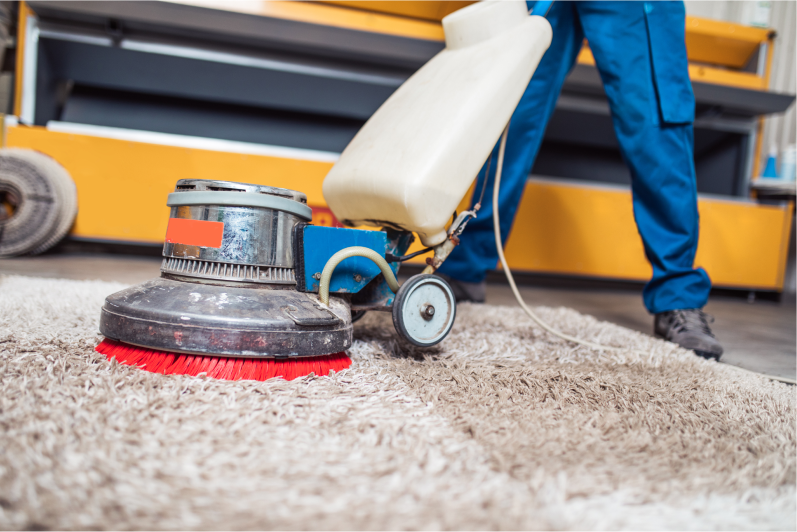
The equipment and cleaning agents used in professional deep carpet cleaning are markedly superior to those employed in regular vacuuming. Industrial-grade extraction machines and specialized brushes are designed to agitate fibers and remove substances that household vacuums cannot reach. High-pressure hot water combined with eco-friendly detergents penetrates deep into the carpet, dissolving oils, dirt, and stains effectively while minimizing damage to fibers. Regular vacuums, regardless of sophistication, rely solely on suction and surface agitation, which proves insufficient against hardened particles or ingrained stains. The use of advanced cleaning agents in deep carpet services also ensures that carpets retain their color vibrancy and texture, enhancing durability and reducing the need for premature replacement.
Impact on Indoor Air Quality
Another crucial distinction lies in the impact of these cleaning methods on indoor air quality. Carpets act as reservoirs for dust, pollen, pet dander, and other microscopic allergens, which are continuously released into the air with foot traffic or air circulation. Regular vacuuming can only remove a portion of these particles, leaving a significant amount embedded within the fibers. Deep carpet cleaning, by contrast, extracts these allergens comprehensively and eliminates bacteria and mold spores that can contribute to respiratory issues and allergic reactions. The result is a cleaner, healthier living environment that supports long-term well-being, particularly for households with children, elderly residents, or individuals with sensitivities.
Enhancing Carpet Longevity and Aesthetic Appeal
Beyond hygiene, deep carpet cleaning plays a pivotal role in preserving the structural integrity and appearance of carpets. Embedded dirt and grime act as abrasives, gradually wearing down fibers and causing discoloration or matting over time. Routine vacuuming slows surface deterioration but cannot address the microscopic damage occurring deep within the pile. Professional deep cleaning restores the carpet’s original resilience, reviving its texture and vibrancy while extending its functional lifespan. This approach not only maintains visual appeal but also represents a cost-effective strategy by reducing the frequency of replacement and preserving the overall investment in high-quality flooring.
Conclusion: Choosing Between Vacuuming and Deep Cleaning
While regular vacuuming is essential for maintaining everyday cleanliness and managing loose debris, it is not a substitute for professional deep carpet cleaning. The latter addresses the hidden layers of dirt, allergens, and microbial contaminants that compromise both the carpet’s integrity and indoor air quality. By understanding the distinctions between these two approaches, homeowners and businesses can make informed decisions that prioritize health, aesthetics, and long-term cost efficiency. Integrating both regular vacuuming and periodic deep cleaning ensures carpets remain visually appealing, hygienic, and durable, ultimately creating a more comfortable and inviting environment for all occupants.
About The Author
